

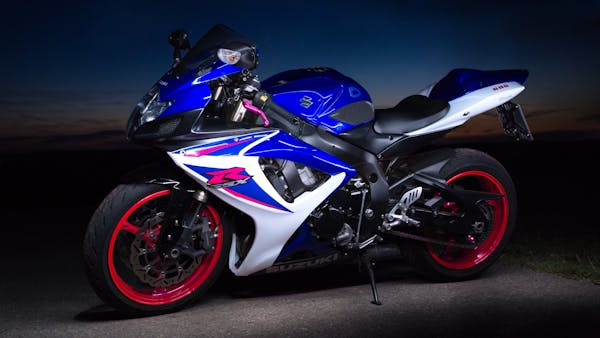
The heart of any motorcycle lies within its engine, and when it comes to high-performance machines, this heart beats faster, harder, and with incredible precision. From the smooth acceleration to the roar of the exhaust, a high-performance engine is designed for one thing: to deliver power in a way that thrills the rider. But what exactly makes a high-performance motorcycle engine tick? Understanding the high-performance engine mechanics and the secrets behind these powerful machines is essential for riders looking to dive deeper into the art of engineering speed.
The Core of High-Performance Engine Mechanics
At its core, a high-performance motorcycle engine operates much like any other engine — it burns fuel to generate power. However, what sets these engines apart is the way they do it. Advanced materials, cutting-edge design, and precision engineering are all part of the equation. It’s not just about bigger displacement or more cylinders; it’s about optimizing every component to work seamlessly together.
One of the first aspects that contribute to a high-performance engine is the engineering high-performance power. These engines are designed to handle extreme stress and temperatures. To achieve this, components such as pistons, cylinder heads, and crankshafts are crafted from lightweight yet durable materials like forged aluminum or titanium. This reduces weight while improving strength, allowing the engine to perform at its peak for longer periods.
The Secrets of Powerful Motorcycle Engines
The real magic of a high-performance engine lies in the intricate details that are often overlooked by casual riders. A few key technologies help unlock the true potential of these machines.
1. Precision Fuel Injection
In high-performance engines, fuel delivery is crucial. Instead of relying on older carburetors, modern engines use precision fuel injection systems that deliver an exact amount of fuel into the combustion chamber. This ensures more efficient combustion, which results in higher power output and better fuel efficiency. By precisely controlling the air-fuel mixture, the engine operates with optimal performance, even under extreme conditions.
2. Variable Valve Timing (VVT)
Another vital technology in high-performance engines is variable valve timing (VVT). This system adjusts the timing of the intake and exhaust valves based on the engine’s RPM. At low speeds, it prioritizes fuel efficiency, while at high RPMs, it opens the valves wider for maximum air intake, allowing for more power. This adaptability means that high-performance engines can deliver the right balance of power and efficiency, whether you’re cruising down the highway or pushing the limits on the track.
3. Turbocharging and Supercharging
To extract every ounce of power from an engine, some high-performance motorcycles are equipped with forced induction systems, such as turbocharging or supercharging. These systems compress the air entering the engine, allowing for more oxygen to mix with the fuel. The result? A significant boost in power output. While turbocharging uses exhaust gases to spin a turbine, supercharging relies on a belt-driven compressor. Both systems deliver immense horsepower gains, but they come with their own set of engineering challenges that require expert design.
4. High Compression Ratios
A higher compression ratio means that the air-fuel mixture is compressed more tightly before ignition, which leads to more power being produced from each combustion cycle. High-performance engines often feature high compression ratios that allow them to extract more energy from each explosion, resulting in faster acceleration and higher top speeds. This is one of the key reasons why these engines are so responsive and provide such a thrilling riding experience.
What Drives Motorcycle Speed
Ultimately, what drives motorcycle speed is not just the raw horsepower but how efficiently the engine uses that power. A finely tuned high-performance engine maximizes the conversion of fuel into usable power, allowing the rider to experience lightning-fast acceleration, sharp handling, and sustained high-speed stability.
The key to this efficiency lies in the synergy of components working together seamlessly. For example, a lightweight chassis paired with a high-performance engine can help transfer power to the wheels more effectively. When combined with an advanced suspension system that can handle the increased stress of high-speed riding, it becomes clear that speed is a product of intelligent engineering, not just brute force.
The Role of Exhaust Systems
The exhaust system also plays a significant role in high-performance engines. A well-designed exhaust system ensures that exhaust gases are expelled efficiently, reducing backpressure and allowing the engine to breathe more freely. In high-performance motorcycles, aftermarket exhaust systems are often used to further optimize airflow and increase horsepower. These systems are crafted from high-quality materials like stainless steel or titanium, ensuring durability and improved exhaust flow.
Aerodynamics and Engine Design
Even beyond the engine itself, aerodynamics plays a crucial role in maximizing speed. A high-performance motorcycle is designed to cut through the air with minimal resistance, reducing drag and allowing the engine’s power to reach the road. Every aspect of the bike, from the shape of the frame to the position of the rider, contributes to achieving maximum speed. When the engineering high-performance power is combined with an aerodynamic design, the result is a bike that accelerates quickly, reaches impressive top speeds, and handles with precision.
Fine-Tuning for the Ultimate Performance
High-performance motorcycles are not a one-size-fits-all solution. Riders looking to push their bikes to the limit must fine-tune the engine to match their riding style and preferences. This means adjusting things like fuel mapping, ignition timing, and even the gear ratios. By making these tweaks, riders can unlock even more power and responsiveness from their engine, ensuring that it performs at its best under various riding conditions.
Conclusion
The magic behind high-performance motorcycle engines is the culmination of high-performance engine mechanics, cutting-edge technology, and expert engineering. From precision fuel injection to turbocharging, every aspect of the engine is designed to extract the maximum amount of power and efficiency. But it’s not just about horsepower—it’s about how that power is translated into speed, acceleration, and handling. When these elements come together, the result is an exhilarating ride that showcases the true potential of motorcycle engineering.
Whether you’re a seasoned racer or a weekend enthusiast, understanding the secrets of powerful motorcycle engines gives you a deeper appreciation for what makes these machines so special. So, the next time you twist the throttle, remember the finely tuned technologies that allow you to experience the rush of high-performance power at its best.


