

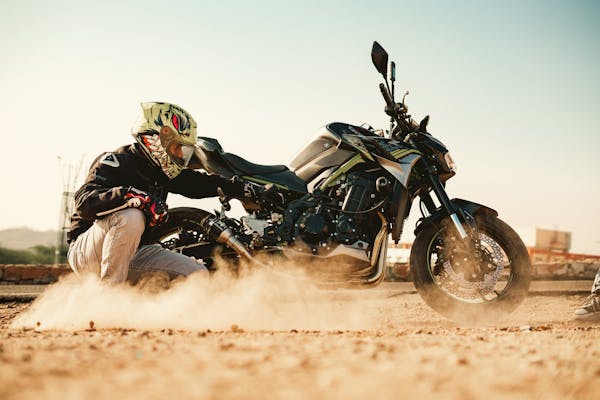
When it comes to motorcycle performance, few factors are as crucial as understanding motorcycle engine torque. Often overshadowed by horsepower in everyday discussions, torque is, in fact, the true force that propels a motorcycle forward. While horsepower dictates top speed, torque determines how quickly a bike can reach that speed and how efficiently it accelerates. Unlocking the secrets of torque can dramatically enhance your understanding of motorcycle performance, helping you maximize your riding experience.
What Is Motorcycle Torque?
Motorcycle torque explained is more than just a buzzword thrown around in technical circles. It’s the twisting force generated by the engine that turns the wheels, propelling the bike forward. Think of it like the strength of your legs when pedaling a bike. The more torque an engine produces, the more force it applies to the wheels, which directly affects acceleration.
Torque is measured in Newton-meters (Nm) or foot-pounds (ft-lb), depending on the region. This value reflects how much force is generated at a given engine speed, or RPM. The greater the torque, the stronger the engine’s ability to turn the wheels. Unlike horsepower, which is a function of both torque and RPM, torque is directly responsible for a motorcycle’s immediate ability to accelerate, especially from a stop or at low speeds.
The Importance of Torque in Motorcycle Performance
While horsepower gets much of the attention, torque plays an even more critical role in real-world riding. Maximizing engine torque can improve throttle response, enhance acceleration, and provide a more thrilling riding experience. It’s particularly important in off-road and touring bikes, where low-end torque is needed to navigate tough terrains or carry heavy loads.
One of the main advantages of torque is that it provides the power to accelerate at low speeds without the need for high RPMs. For instance, when you’re navigating city streets or tackling twisty mountain roads, you’ll notice that a bike with higher torque feels more responsive and agile. This is because the engine can quickly transfer energy to the wheels at lower revs, making it easier to get the bike moving without having to constantly shift gears.
How Torque Affects Your Riding Experience
Motorcycle torque significantly impacts your overall riding experience, affecting everything from how you ride in traffic to how your bike handles on the open road. For urban riders, torque is essential for smoothly pulling away from traffic lights or overtaking other vehicles. Bikes with lower torque may struggle to accelerate quickly, leaving you stuck in a gear longer than necessary.
On highways and longer rides, motorcycle torque performance tips become increasingly important for ensuring smooth, effortless cruising. A bike with well-balanced torque provides a satisfying riding experience, especially at cruising speeds. It means you can roll on the throttle with ease and enjoy the sensation of seamless acceleration, all while minimizing engine strain.
On the other hand, if torque is lacking, the engine may feel sluggish, particularly during overtaking maneuvers. In this case, you may find yourself revving the engine excessively, which can lead to increased wear and tear on the engine components over time.
Maximizing Engine Torque
There are several ways to maximize engine torque, and understanding how torque behaves at different RPM ranges is key to getting the most out of your motorcycle. One of the best ways to maximize torque is by ensuring your engine runs at the optimal RPM for your particular bike. Every engine has a torque curve, which shows how torque increases or decreases as the RPM rises. To achieve the best acceleration, it’s important to keep the engine in the sweet spot of the torque curve, where the most torque is being produced.
Upgrading or tuning your bike’s intake and exhaust systems can also help increase torque. By optimizing airflow into and out of the engine, you improve the engine’s ability to breathe, resulting in better combustion and more torque. For example, installing a high-flow air filter or a performance exhaust system can allow the engine to generate more power without straining.
For riders who crave even more torque, modifying the engine’s internal components—such as the camshaft, pistons, or cylinder head—can be a highly effective method of unlocking additional performance. These upgrades typically increase engine displacement and efficiency, boosting the engine’s torque output significantly. However, this kind of modification often requires professional tuning to ensure that the bike operates safely and efficiently.
How to Choose the Right Motorcycle for Maximum Torque
When selecting a motorcycle, it’s essential to consider the type of riding you’ll be doing and how torque will influence your experience. Sports bikes, for example, are often tuned for high-revving engines with a focus on horsepower. These bikes may have lower torque at low RPMs but excel in top-end performance, making them perfect for high-speed riding and track use.
On the other hand, cruisers and touring bikes typically focus on maximizing engine torque at lower RPMs. These bikes are designed for comfort and smooth, consistent power delivery, especially when carrying heavy loads or navigating slower traffic. Adventure and off-road bikes also emphasize torque to help riders tackle rough terrains without having to constantly rev the engine.
If you’re a beginner or someone who frequently rides in urban environments, it might be wise to opt for a motorcycle with a torquey engine that delivers strong power at lower speeds. For experienced riders who enjoy high-performance riding and track days, a bike with a focus on horsepower may be more suitable.
Conclusion
Understanding motorcycle engine torque is crucial to unlocking your bike’s full potential. Torque is the engine’s power at its core, dictating how quickly you can accelerate and how efficiently your bike handles different riding conditions. Whether you’re seeking improved acceleration, smoother cruising, or better off-road performance, maximizing your engine’s torque will vastly improve your riding experience.
By paying attention to torque curves, optimizing your bike’s intake and exhaust systems, and choosing the right motorcycle for your riding style, you can truly unlock the power hidden within your engine. With the right knowledge and upgrades, you’ll have a motorcycle that’s not just fast but also highly responsive, providing a thrilling ride every time you twist the throttle.


