

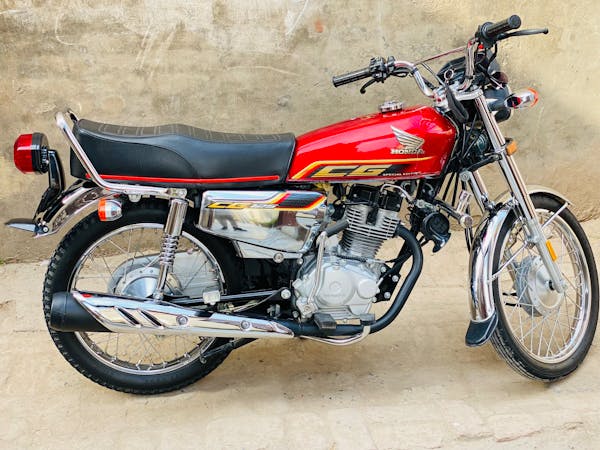
When it comes to choosing a motorcycle, one of the most crucial decisions you’ll make is understanding the different motorcycle engine types available. The engine you select can greatly impact your riding experience, from acceleration and power delivery to fuel efficiency and handling. Each engine type has its own set of characteristics, making it important to match the engine to your riding style and needs. Whether you’re a seasoned rider or new to motorcycles, knowing the various engine options will help you optimize your motorcycle ride and get the best performance out of your bike.
Four-Stroke Engines: The Reliable Powerhouses
The most common engine type in modern motorcycles is the four-stroke engine. Known for its efficiency and durability, this engine is the standard for everything from sport bikes to cruisers. Choosing the right engine for everyday use often leads many riders to opt for a four-stroke, as it balances power with fuel economy.
The four-stroke engine operates on a cycle that involves four stages: intake, compression, combustion, and exhaust. This process delivers a smooth, controlled release of power, making it ideal for long rides and daily commuting. The reliability of a four-stroke engine means fewer maintenance issues over time, which is especially beneficial for those who want a bike that can go the distance.
One of the key benefits of a four-stroke engine is its fuel efficiency. With better combustion and less wasted energy, it delivers more miles per gallon compared to other types. Additionally, the four-stroke engine is quieter, which can be an important factor for riders who want a more comfortable ride without excess noise.
Two-Stroke Engines: The Thrill of Speed
On the other end of the spectrum, two-stroke engines offer a completely different riding experience. These engines are simpler in design and lighter than their four-stroke counterparts, which means faster acceleration and a more nimble ride. While a two-stroke engine burns both fuel and oil in every combustion cycle, it results in a more intense release of power. This makes it ideal for riders looking for raw speed and quick acceleration, especially in motocross or off-road racing.
However, this engine type does come with a few trade-offs. Two-stroke engines typically consume more fuel and require more frequent maintenance. The higher fuel consumption is due to the way the engine operates, as it doesn’t burn the fuel as efficiently as a four-stroke. Additionally, the exhaust emissions can be more noticeable, which is why two-stroke engines are becoming less common in street motorcycles due to environmental regulations.
Despite these downsides, the thrill of a two-stroke engine’s speed and power makes it a favorite for adrenaline junkies who crave performance and lightweight handling.
Parallel Twin Engines: A Balanced Approach
A parallel twin engine is another popular option, especially in mid-range motorcycles. This engine features two cylinders arranged side by side, offering a balance of power and smoothness. Riders who choose this engine type often do so because it provides more torque than a single-cylinder engine, while still being lighter and more efficient than larger engines like a V-twin or inline four.
Parallel twins are often found in sport bikes, standard bikes, and cruisers. They deliver smooth acceleration and can handle a variety of riding conditions. The design of a parallel twin offers a sweet spot between efficiency, weight, and performance. These engines are particularly beneficial for riders who want a versatile motorcycle capable of handling both city streets and highways with ease.
V-Twin Engines: The Classic Cruiser Choice
For those looking for a more classic, powerful experience, the V-twin engine is a popular choice. Known for its distinct “v” configuration, this engine places two cylinders at a 45-degree angle to each other, offering more torque and a deeper, throaty sound. Choosing the right engine for cruising and long-distance rides often leads riders to gravitate toward the V-twin. This engine type is particularly favored by cruiser-style bikes such as Harleys and other American brands.
The V-twin engine provides excellent low-end torque, making it ideal for smooth, steady cruising. It’s also great for riders who enjoy a strong, pulsing feel beneath them. However, V-twins can be heavier than other engine types, which can affect handling at higher speeds. Despite this, their raw power and distinctive rumble make them a favorite for those who enjoy a more laid-back, yet powerful riding experience.
Inline Four Engines: The Performance Powerhouses
If you’re looking for power and smoothness in equal measure, inline four engines are the go-to choice for performance-oriented riders. Found in high-performance sport bikes and some touring bikes, inline four engines are revered for their ability to deliver extremely high RPMs (revolutions per minute). This allows them to generate impressive horsepower, which is why they dominate the racetrack and high-speed riding scenarios.
The inline four engine has four cylinders arranged in a straight line, which allows for a more balanced and efficient engine configuration. The high RPM range offers fantastic acceleration and top-end speed, making it ideal for riders who enjoy pushing their bike to its limits. However, while the performance is unmatched, the engine can be less efficient in terms of fuel economy compared to smaller engine variants, and the ride may feel less “punchy” at low speeds.
Single-Cylinder Engines: Lightweight and Efficient
For those who prefer a lighter, more economical ride, the single-cylinder engine is the perfect choice. Single-cylinder engines are found in smaller motorcycles, dirt bikes, and entry-level machines. They are typically the simplest and most cost-effective option, making them a great choice for beginners. Engine variants explained show that single-cylinder engines are ideal for riders who don’t need excessive power but want a lightweight, maneuverable bike for city commuting or short-distance rides.
Despite their smaller size, single-cylinder engines can still provide enough power for daily riding. They are also more fuel-efficient, which is great for budget-conscious riders who want to avoid frequent trips to the gas station.
Conclusion
Whether you’re a casual commuter, a weekend racer, or a cross-country cruiser, understanding motorcycle engine types is key to selecting the right bike for your needs. From the efficiency and reliability of the four-stroke engine to the raw power of the two-stroke, each type offers its own unique set of benefits. Choosing the right engine can enhance your riding experience, offering you the performance, comfort, and reliability you need for every journey. By understanding the engine variants explained, riders can make informed decisions that ultimately lead to optimizing their motorcycle ride for maximum enjoyment and performance.


