

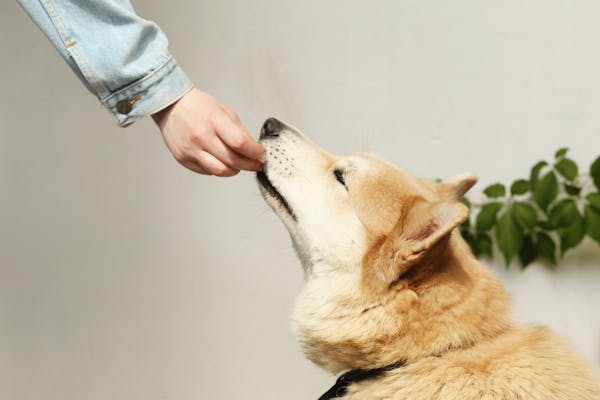
Proper storage of dog food is essential to maintain its freshness, nutritional value, and safety for your furry friend. Whether you purchase dry kibble, canned food, or homemade dog food, following the right storage practices will help prolong its shelf life and ensure that your dog gets the best possible nutrition. Let’s explore some tips on how to store dog food properly to keep your pet healthy and happy.
1. Keep Dog Food in its Original Packaging
Dog food manufacturers design their packaging to protect the food from light, air, and moisture, which can cause it to spoil or lose nutrients over time. Therefore, it’s best to store dog food in its original packaging whenever possible. The packaging is specially designed to maintain the quality of the food and prevent contamination.
2. Store Dog Food in a Cool, Dry Place
Heat and humidity can accelerate the deterioration of dog food and promote the growth of bacteria and mold. To prevent this, store dog food in a cool, dry place away from direct sunlight, such as a pantry or cupboard. Avoid storing dog food in areas prone to temperature fluctuations, such as near ovens or refrigerators.
3. Seal the Bag Properly
After each use, make sure to seal the dog food bag tightly to prevent air from entering and moisture from escaping. Air exposure can cause the dog food to become stale and lose its flavor, while moisture can lead to mold growth and spoilage. Use clips or resealable bags to ensure a tight seal and preserve the freshness of the dog food.
4. Use Airtight Containers for Opened Bags
If you’ve opened a bag of dog food and cannot finish it within a short period, transfer the remaining food into an airtight container. Airtight containers help maintain the freshness of the dog food and prevent pests, such as insects and rodents, from accessing it. Choose containers made of food-grade materials that won’t leach harmful chemicals into the dog food.
5. Rotate Dog Food Regularly
To ensure that your dog consumes fresh dog food with optimal nutritional value, practice FIFO (first in, first out) rotation. When purchasing new dog food, place it behind older bags or containers in your storage area. This way, you’ll use up the oldest dog food first, reducing the risk of spoilage or expiration.
6. Check Expiration Dates
Always check the expiration or “best by” date on dog food packaging before purchasing or feeding it to your dog. Expired dog food may not only lack nutritional value but can also harbor harmful bacteria or toxins that could make your dog sick. Be sure to use dog food before its expiration date and dispose of any expired or spoiled food promptly.
7. Avoid Freezing Canned Dog Food
While canned dog food has a longer shelf life than dry kibble once opened, freezing it is not recommended. Freezing can alter the texture and flavor of canned dog food and may affect its palatability for your dog. Instead, store opened cans of dog food in the refrigerator and use them within a few days for the best quality.
8. Keep Dog Food Away from Contaminants
To prevent contamination and maintain food safety, store dog food away from household chemicals, cleaning products, and other potential contaminants. Keep dog food off the floor and away from areas where it may come into contact with pests, such as ants or mice. Additionally, wash your hands before handling dog food to prevent transferring bacteria or germs.
Conclusion
Proper storage of dog food is crucial to maintaining its quality, freshness, and safety for your beloved pet. By following these tips, you can ensure that your dog receives the best possible nutrition while minimizing the risk of spoilage, contamination, and food-related illnesses. Remember to store dog food in its original packaging, in a cool, dry place, and seal it tightly to preserve its freshness. With the right storage practices, you can keep your dog healthy, happy, and well-fed for years to come.


