

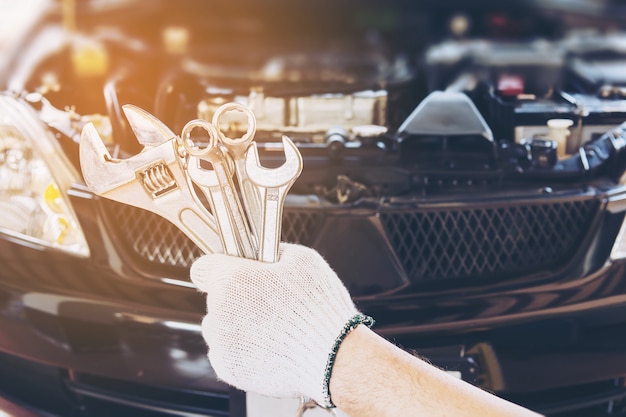
When it comes to keeping your vehicle in optimal condition, regular motor maintenance is key. Just as a healthy body requires routine checkups, your vehicle needs consistent care to ensure it functions smoothly for years to come. Neglecting maintenance can lead to untimely breakdowns, costly repairs, and a shorter lifespan for your motor. In this guide, we will explore the importance of motor maintenance, how it can prevent major issues, and why taking proactive steps today can save you significant costs down the road.
Understanding the Role of Regular Motor Maintenance
The mechanics of your vehicle rely on a wide variety of components working in harmony. From the engine and transmission to brakes and suspension, each part must perform at its best to keep the car running smoothly. Regular motor maintenance involves scheduled inspections and small repairs designed to detect and address issues before they escalate into expensive and time-consuming problems.
Think of your vehicle as a finely tuned machine. Like any complex system, it needs regular checks to ensure all parts are functioning correctly. These checks are not just about preventing immediate issues—they also play a significant role in maintaining the vehicle’s overall health and safety.
The Benefits of Preventing Repairs with Maintenance
One of the most significant advantages of regular maintenance is that it helps prevent repairs with maintenance. Instead of waiting for an issue to arise and then paying for costly repairs, maintaining your vehicle on a regular schedule helps catch minor problems before they become major ones. For example, simply checking your fluid levels can prevent an engine from overheating, which could otherwise lead to an engine replacement. Regular tire rotations can prevent uneven wear, ensuring the longevity of your tires and better handling.
Preventive maintenance is an investment in the longevity of your vehicle. Small, inexpensive repairs—like changing the oil or replacing air filters—can save you from large-scale repairs down the road. Imagine the cost of replacing an entire transmission compared to simply replacing a transmission fluid filter. The latter is far more affordable and easier to address with regular motor maintenance.
Common Maintenance Tasks to Keep Your Vehicle Running Smoothly
Maintaining your vehicle requires more than just occasional oil changes. Several crucial tasks should be performed routinely to ensure everything is in top shape:
- Oil Changes – The lifeblood of your engine, oil ensures that the engine’s moving parts are lubricated and don’t wear out prematurely. Changing the oil regularly is one of the simplest yet most important aspects of motor care and repair prevention. This should be done according to your vehicle’s specifications, typically every 3,000 to 5,000 miles.
- Tire Rotation – Tires are one of the most vital components of your vehicle, and ensuring they wear evenly can improve safety, fuel efficiency, and handling. Regular motor maintenance includes rotating your tires every 6,000 to 8,000 miles to ensure an even distribution of wear.
- Brake Inspections – Your brakes are arguably the most important safety feature on your vehicle. Routine brake checks ensure that brake pads, rotors, and fluid levels are in good condition, preventing accidents and costly repairs.
- Air Filter Replacement – A clogged air filter reduces engine efficiency, which can lead to higher fuel consumption and decreased performance. Replacing the air filter every 12,000 to 15,000 miles ensures your engine gets the clean air it needs.
- Fluid Checks – Ensuring that your vehicle’s fluid levels—such as coolant, transmission fluid, and brake fluid—are optimal is critical to its health. Low fluid levels can cause overheating, friction, and other serious issues that lead to major repairs.
- Battery Maintenance – Regularly checking your vehicle’s battery for corrosion or loose connections can prevent unexpected breakdowns. The battery should be cleaned and tested annually to avoid sudden failures.
The Impact of Regular Maintenance on Long-Term Vehicle Performance
Vehicles that undergo regular motor maintenance run more efficiently, last longer, and provide a better driving experience. An engine that’s well-maintained consumes less fuel, emits fewer pollutants, and performs better in various conditions. When all components are working together as they should, you’ll enjoy smoother acceleration, quicker response times, and better handling.
Moreover, regular maintenance preserves the resale value of your vehicle. A well-maintained car with a full service history will always fetch a higher price than one with neglected repairs. Potential buyers look for signs that the car has been well cared for, and a solid maintenance record is one of the best indicators.
Cost Savings: How Preventative Maintenance Saves You Money
It’s easy to overlook maintenance when you’re not experiencing any issues, but it can save you significant amounts of money in the long run. Preventing repairs with maintenance means fewer costly visits to the mechanic for major issues. For instance, replacing an air filter is relatively inexpensive, but failing to do so can lead to engine misfires or a clogged engine, both of which would require more expensive repairs.
Another area where regular maintenance helps is in reducing the risk of sudden breakdowns. Imagine being stranded on the side of the road because of a minor issue that could have been caught earlier. The costs associated with emergency towing, lost time, and emergency repairs are often much higher than those of regular inspections and maintenance.
How Regular Maintenance Enhances Safety
Apart from reducing repair costs, motor care and repair prevention directly contributes to your safety. Regular maintenance ensures that your vehicle’s critical safety components—like brakes, tires, and suspension systems—are functioning optimally. When these components are in top condition, your vehicle will handle better in emergency situations, such as quick stops or sudden changes in road conditions.
A car with fresh brake pads, properly inflated tires, and a fully functional suspension system is much safer to drive than one that has been neglected. Regular maintenance ensures you have a smooth ride, reduced risk of accidents, and peace of mind behind the wheel.
Conclusion
The importance of motor maintenance cannot be overstated. Whether you’re trying to avoid costly repairs, improve your vehicle’s longevity, or keep your car running safely, regular maintenance is the most effective strategy. By staying on top of basic tasks like oil changes, brake checks, and tire rotations, you’re actively preventing repairs with maintenance and enhancing your car’s performance.
For every car owner, keeping up with regular motor maintenance is one of the best investments you can make in your vehicle’s health. Not only does it save money and reduce stress, but it also ensures that your car is operating at its best every time you take it for a spin.


