

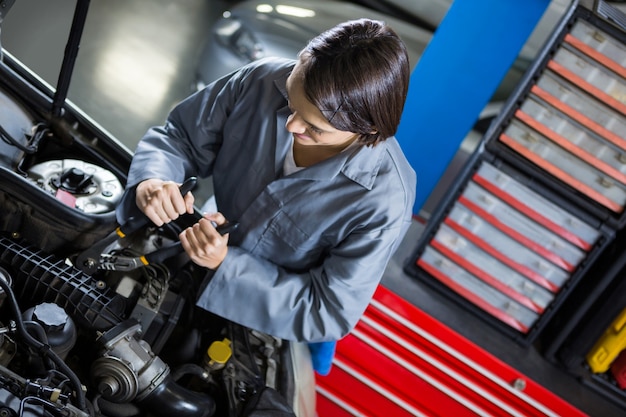
When it comes to keeping your vehicle in top condition, motor repair basics are essential knowledge for every car owner. Whether you’re dealing with a minor malfunction or a significant issue, understanding how your car works and what to do when it breaks down can save you time, money, and frustration. Motor repairs explained in simple terms can help demystify the process and give you the tools to make informed decisions about your vehicle’s health.
Understanding the Importance of Regular Maintenance
The key to minimizing motor repairs is regular maintenance. Cars are intricate machines with numerous moving parts, all of which work together to keep your vehicle running smoothly. Over time, parts wear out or become less efficient, and without proper care, these minor issues can escalate into significant problems. By understanding essential motor repair knowledge, you can stay ahead of potential issues and ensure your vehicle runs efficiently for years.
Routine maintenance checks are essential in identifying potential problems before they worsen. This includes checking fluid levels, tire pressure, brake conditions, and the condition of belts and hoses. Paying attention to these basics can go a long way in preventing unexpected breakdowns and expensive repairs.
Common Motor Repair Issues
Even with the best maintenance, issues can still arise. Whether your car is old or relatively new, certain problems are common and worth knowing about. Here are a few of the most frequent motor repair issues that car owners encounter:
- Engine Problems – Your car’s engine is the heart of the vehicle, and any malfunction here can quickly turn into an expensive issue. Common engine problems include overheating, oil leaks, or worn-out components such as spark plugs or fuel injectors. If the engine isn’t running smoothly, it can severely impact the performance of your vehicle.
- Transmission Trouble – The transmission is another critical part of your car. A malfunctioning transmission can make it difficult to shift gears or cause your vehicle to stall. Whether it’s a minor fluid leak or a complete transmission failure, getting your transmission checked regularly is vital.
- Brake Issues – A worn brake pad, damaged rotors, or low brake fluid are common issues that affect your vehicle’s stopping power. Neglecting brake maintenance can be dangerous, so it’s important to replace pads and fluid regularly to avoid motor repair basics turning into an emergency repair.
- Battery Failures – Batteries generally last around three to five years, but extreme temperatures and usage can shorten their lifespan. If your car is having trouble starting or the lights seem dim, it might be time to replace the battery.
- Suspension and Steering Problems – The suspension system supports your vehicle’s weight, ensuring a smooth and stable ride. If your car bounces excessively, the steering wheel vibrates, or you experience difficulty turning, it’s essential to address the issue quickly. Worn-out shock absorbers or suspension components can lead to further damage and a rough driving experience.
Knowing When to Seek Professional Help
While motor repairs explained can provide insight into the mechanics of your vehicle, it’s important to know when a problem is beyond your ability to fix. There are certain signs you should look out for that indicate it’s time to take your car to a professional mechanic.
- Unusual Noises – Strange sounds like grinding, squealing, or knocking often signal that something is wrong. Ignoring these noises can lead to more significant problems down the line. If your car is making noises it shouldn’t, it’s always best to have it inspected.
- Warning Lights – Modern vehicles are equipped with a variety of sensors that notify you of any issues. If you see a check engine light, brake warning, or oil pressure light on your dashboard, it’s essential to address the issue as soon as possible to prevent damage.
- Performance Issues – If your car isn’t driving as smoothly as it once did—such as stalling, sputtering, or hesitating when you accelerate—this could be a sign of a deeper mechanical problem. Poor performance often points to issues like a malfunctioning fuel system, clogged air filters, or a faulty ignition system.
- Fluid Leaks – Any leaking fluid, whether it’s oil, coolant, or transmission fluid, should be investigated immediately. Fluid leaks can indicate worn seals or gaskets, which, if left unaddressed, can lead to severe engine or transmission damage.
Finding a Reliable Repair Shop
One of the most important parts of what you should know about motor repairs is how to find a reputable repair shop. Not all repair shops are created equal, so it’s essential to do your research and find a trusted mechanic.
Start by reading reviews and asking friends or family for recommendations. A shop with good reviews and satisfied customers is likely to provide high-quality service. When you visit a shop, ask about the experience of the technicians, the parts they use, and their warranty policies. Be sure to also get a quote in advance for any significant repairs to avoid unexpected costs.
The Cost of Motor Repairs
The price of motor repairs explained varies significantly depending on the issue and the car’s make and model. While some repairs are affordable, others can quickly become costly. For example, replacing an engine or transmission can run into the thousands of dollars, while more straightforward tasks like oil changes or brake pad replacements are generally much cheaper.
Understanding the essential motor repair knowledge regarding common repairs can help you estimate costs and avoid unnecessary repairs. It’s also wise to ask for an itemized breakdown of costs before agreeing to a repair, as this can help you understand where your money is going.
Preventing Future Problems
The best way to avoid costly repairs is through preventive maintenance. Motor repair basics suggest staying on top of routine inspections and fixing small problems before they escalate into larger ones. Regular oil changes, tire rotations, and brake inspections are simple tasks that can extend the lifespan of your vehicle and reduce the likelihood of significant repairs.
It’s also important to be aware of the signs your car gives you. If you notice anything unusual—whether it’s a strange sound, an odd smell, or a decrease in performance—address the issue immediately. The sooner you catch a problem, the easier and cheaper it is to fix.
Conclusion
Understanding motor repair basics is crucial for every vehicle owner. By learning the common issues that can arise and knowing how to spot warning signs, you’ll be able to make informed decisions about your car’s maintenance and repairs. While some repairs are inevitable, staying on top of preventive maintenance can help you avoid costly surprises and keep your vehicle running smoothly for years to come.


